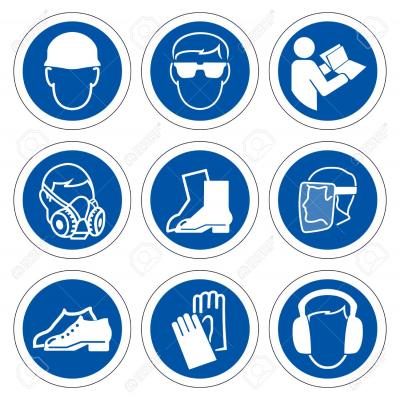
 We have received enquires from agency workers asking whose responsibility is it to provide them with Personal Protective Equipment (PPE), is it the employment agency or the end-user? Under the Personal Protective Equipment at Work Regulations 1992, the employment agency is responsible for ensuring any necessary PPE is provided to agency workers.
 Great news that Boris is now out of hospital and resting at Chequers after defeating the coronavirus. Where others have succumbed to the virus through lack of willpower, our brave Boris took on the virus, and showing true Dunkirk spirit, single-handedly beat the virus through pure strength of character. It was great to see the press exercising their right to criticise and hold to account, in the world’s greatest democracy, by falling over themselves to heap praise on our truly courageous leader.
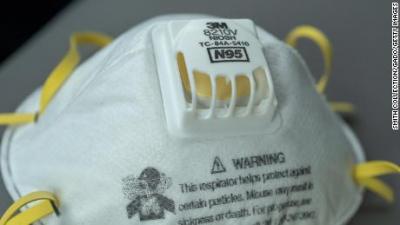 Care workers right now are facing a huge challenge. We were overworked, at risk and underpaid before Covid-19 came along. A lot of us are facing massive upheaval in our work and personal lives. Lockdown is stopping us from seeing our friends, family and colleagues, and the demands nowaced on the NHS, care homes and other workplaces have increased and changed rapidly. So now more than ever we are asking, what can we do?
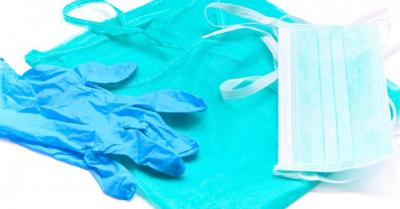 It is well known by anyone who has ever worked in, or been around the social care system, how much employers in that sector try to exploit their staff and just how badly they treat them. Care workers have long felt they are viewed in low regard by both local authorities and the government, until recently being described by both local and national politicians as being ‘low skilled’. This has started to make headlines in the national press and get into the public consciousness and never has it been more apparent than during the current coronavirus crisis, where employers have shown a complete disregard for the safety of not only their workers, but also for the people who use their services.
 Mask on, seal over the nose to stop glasses misting up so much. Apron on (always easier with gloves on), feels flimsy especially in the wind, doesn’t feel like it will protect much. Visor on or is the patient low risk? How many more times am I going to put this all on?The beginning of shift routine is to check if we have enough Personal Protective Equipment (PPE). This involves checking stores, asking managers, raiding dormant ambulances. As relief staff (not on a fixed shift pattern) you go to different stations. Each station has differing policies; some have personal issue PPE, some are ambulance specific. As relief you end up pilfering PPE to protect yourself as you might end up without.