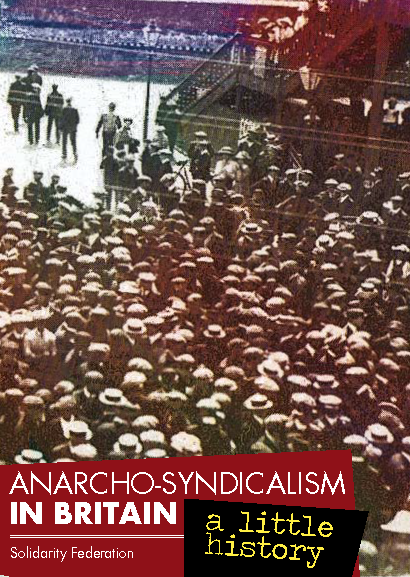
 From the first murmurs of 1894, to the Great Unrest of 1911 and the punchy Direct Action Movement of the ’80s and ’90s, this in-brief pamphlet follows the thread of libertarian union organising in Britain.
- 19th century to 1914 - The First International, growth of industrial unionism and the Great Unrest
- 1914–1945 - State suppression and the Bolshevik turn – how Lenin’s seeming success drew militants to the Comintern
- 1945–1994 - The Anarchist Federation of Britain, Syndicalist Workers’ Federation and Direct Action Movement
- Today’s movement - A short look at the strategy and thinking of the modern Solidarity Federation

 Sussex University has a reputation for radicalism - and it’s a well earned one. In this pamphlet former Sussex student Ed Goddard retrieves some of the lost history of this radical tradition. In one 5 year period from 1971 to 1975, Sussex saw protests, assessment boycotts, and rent strikes, as well as a questioning of the role and purpose of education itself, and what a truly free education - free from the limitations of capitalist society - could look like. Today, with education once more on the front lines, it’s more important than ever to understand our own forgotten history of struggle.
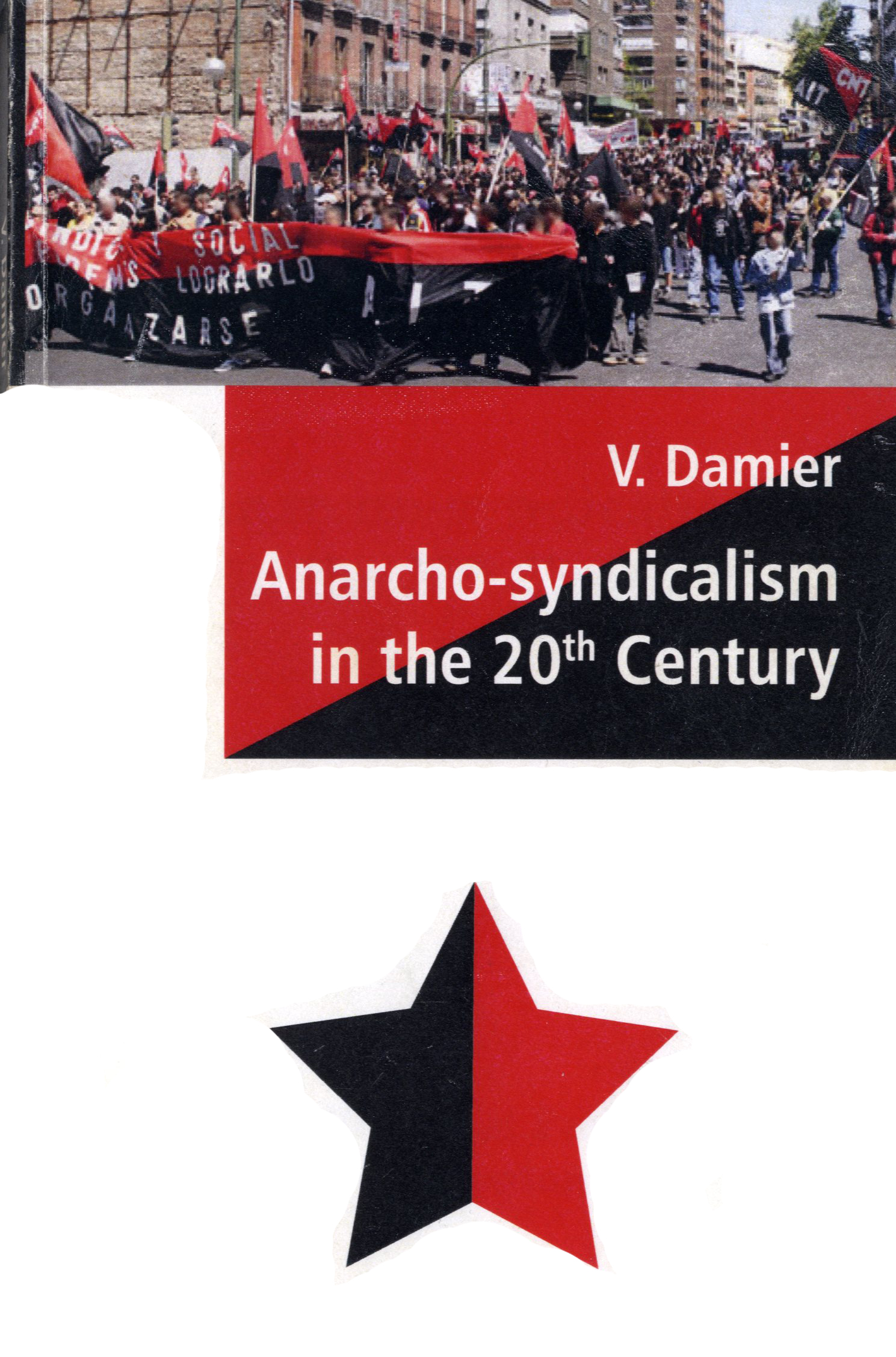 Anarcho-syndicalism, a theory and practice of working class revolution, was developed not by scholars working in libraries but by the workers themselves. The anarcho-syndicalist movement of the 20th century extended to all the industrialized countries of the world and even agricultural regions. This was not a fringe phenomenon but involved millions of workers.
 SelfEd Collective, 24 unit correspondence course, 2001