From the first murmurs of 1894, to the Great Unrest of 1911 and the punchy Direct Action Movement of the ’80s and ’90s, this in-brief pamphlet follows the thread of libertarian union organising in Britain.
This pamphlet offers an overview of your basic rights and workplace advice based on the long-term experience of workplace activists.
Contents - Jargon-Buster | Rights and Responsibilities | General Rights | Office Environment | Computer Equipment | What are the Risks? | RSI and ‘Musculoskeletal Disorders’ | Eye Strain and Vision | Stress | Other Risks | Organising Collective Solutions | Further information | About SolFed
Produced by Bristol Solidarity Federation and the SolFed Publicity Commission
This pamphlet offers an overview of your basic rights and workplace advice based on the long-term experience of workplace activists.
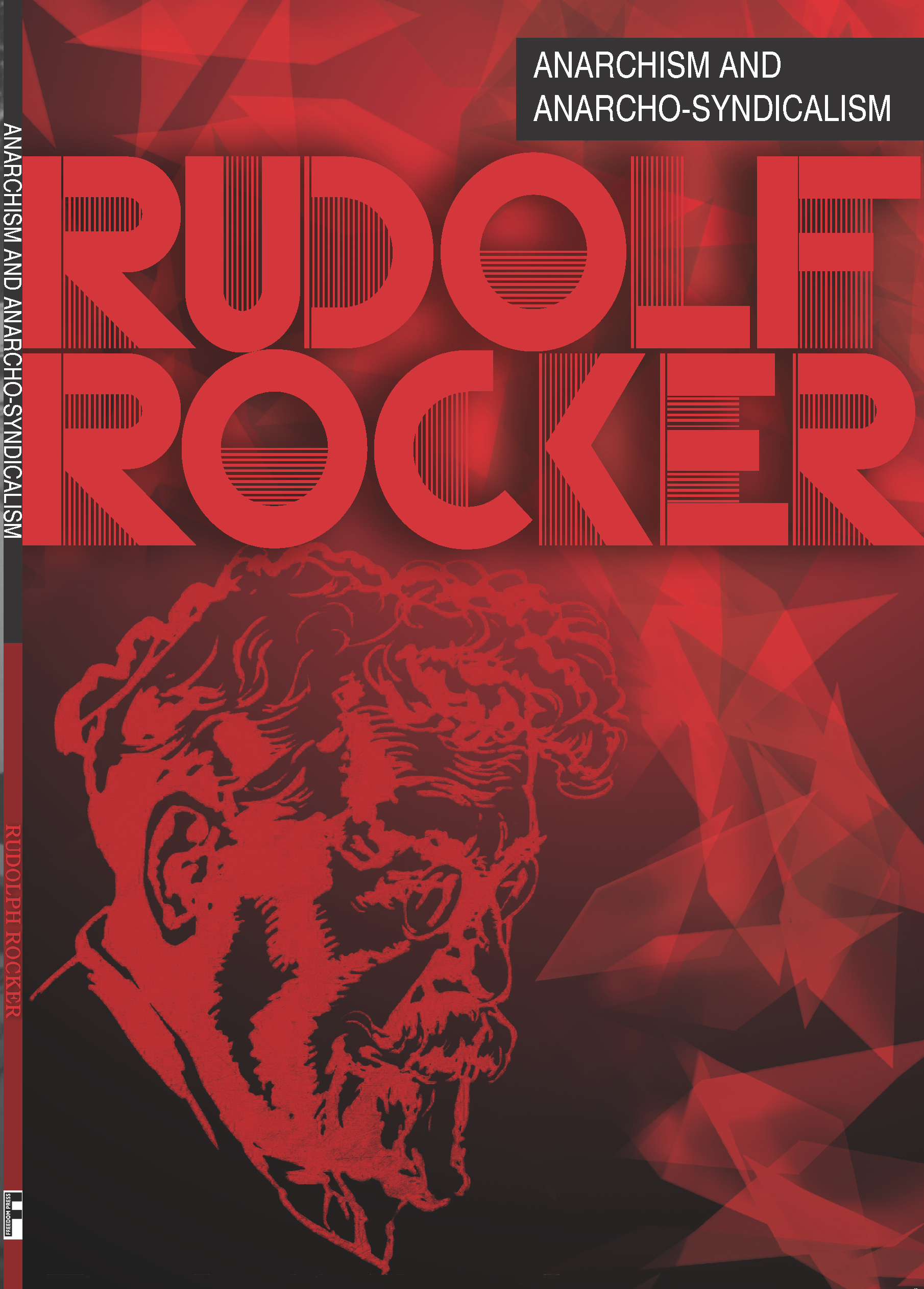
Rudolf Rocker remains one of the most important figures in the history of anarchism, from his key role organising against sweatshop labour in London in the 1900s to being the moving spirit behind the founding of the largest ever anarchist international — the IWMA in 1921.
We are living in times of unprecedented attacks on our living conditions on all fronts, of rising social tensions and sometimes violent eruptions of class conflict. And yet if anything, the surprise is not that there have been riots and the odd strike, but that there have been so few. How are we to make sense of this? How are we to fight back, to take the initiative? Against capitalism, what do we want to put in its place? The 20th century discredited state socialism, and rightly so. But with it, a whole history of international class struggle, of revolutions and counter-revolutions, victories and defeats, spontaneous uprisings and vast workers’ organisation has been eclipsed too.
This pamphletaims to recover some of the lost history of the workers' movement, in order to set out a revolutionary strategy for the present conditions.
Sussex University has a reputation for radicalism - and it’s a well earned one. In this pamphlet former Sussex student Ed Goddard retrieves some of the lost history of this radical tradition. In one 5 year period from 1971 to 1975, Sussex saw protests, assessment boycotts, and rent strikes, as well as a questioning of the role and purpose of education itself, and what a truly free education - free from the limitations of capitalist society - could look like. Today, with education once more on the front lines, it’s more important than ever to understand our own forgotten history of struggle.
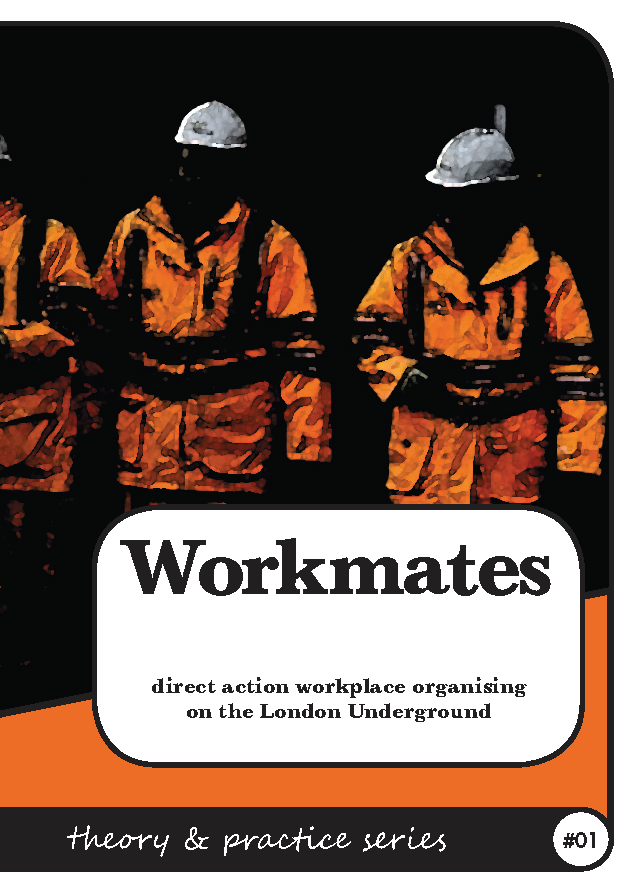
In the late 1990s, plans to outsource track maintenance on the London Underground were being pushed through by the government. Workers at one depot responded by forming a new workplace group, both inside and outside the existing union, the RMT.
This pamphlet charts the highs and lows of the Workmates collective, highlighting their successes and failures, their radically democratic organising method and their creative forms of direct action. We hope it can provide an inspiration to other workers frustrated with the limits of the existing workplace organisations.
Anarcho-syndicalism, a theory and practice of working class revolution, was developed not by scholars working in libraries but by the workers themselves. The anarcho-syndicalist movement of the 20th century extended to all the industrialized countries of the world and even agricultural regions. This was not a fringe phenomenon but involved millions of workers.
Mainstream labour unions and social-democratic parties have become increasingly powerless to protect the gains of workers. In this situation, anarcho-syndicalism — the revolutionary, non-authoritarian alternative to reformism — is once again on the agenda. This critical study of anarcho-syndicalism in the last century reveals a history of struggle which has often been neglected but holds many valuable lessons for the present.
This pamphlet has been written by a group of people in the Solidarity Federation. We are actively involved in taking direct action for a better world. However, we are also interested in what this better world might be like and how it might work. In the current world of US-led terror against terror, corporate cronyism and corruption, and widening global and class inequality, we all want and deserve better.
The Solidarity Federation is the British section of the anarcho-syndicalist global movement. Anarcho-syndicalism is about direct democracy – democracy from the bottom up - no party politicians, corporate managers or union leaders. Direct democracy means decisions are made by all those present. Hence, we cannot be prescriptive about what a future, decent economy might work like. It will be decided by the people there at the time. Hopefully, it will happen soon, and everyone will be involved. However, in the meantime, it is rather a cop-out to simply say, “we'll sort that out later” and then, fall back on abstract principles or vague concepts. So, we thought it would be useful to develop a detailed model (but not a straightjacket) of how it could work. This is the result.
Unit 1: Introduction - The origins of Capitalism Unit 2: Britain - The radical period 1750s-1840s Unit 3: The First International Unit 4: France 1870-1918 - Early revolutionary Unions Unit 5: Revolutionary syndicalism in Britain, 1870-1910 Unit 6: Revolutionary syndicalism in Britain and Ireland, 1910-1917
Unit 7: Mexico 1870-1920 - Colonialism and revolution Unit 8: USA 1886-1930 - The Wobblies Unit 9: Anarcho-syndicalism in Argentina 1870-1939 Unit 10: Sweden - 1889-1939 Unit 11: Russia I - 1850-1917 Unit 12: Russia II - 1917-1930
Unit 13: Going Global - International Organisation, 1872-1922 Unit 14: Anarcho-syndicalism in Britain, 1914-30 Unit 15: Spain, 1868-1936 - Build-up to revolution Unit 16: Spain - Culture, education, women and sexuality Unit 17: Spain 1936-39 - Revolution and civil war Unit 18: Spain - The Collectives
Unit 19: Britain, 1930-1950 - The era of reformism Unit 20: Britain, 1950-1990 - Decline of social democracy Unit 21: Global anarcho-syndicalism 1939-99 Unit 22: Roots of modern anarcho-syndicalism - freedom, oppression, rebellion Unit 23: Roots of modern anarcho-syndicalism - morality, culture, tactics Unit 24: The spirit of anarcho-syndicalism
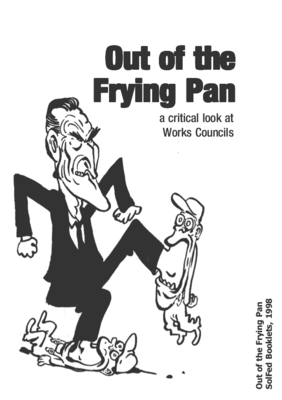
Works Councils are coming to Britain. But what are Works Councils, and what will they mean for working people and trade unions? Are the TUC unions right to welcome the changes in labour relations which Works Councils will bring?
Works Councils, far from empowering people, act as a tool by which management can control and pacify people at work. The truth behind Works Councils is exposed here through the views of workers in France, who have witnessed their failure at first hand.
The message is clear; there is nothing to be gained and much to lose from the introduction of a Works Council system in Britain.
Out of the Frying Pan is a new, critical analysis of Works Councils and a look ahead at a real future for organising and fighting back in your workplace.
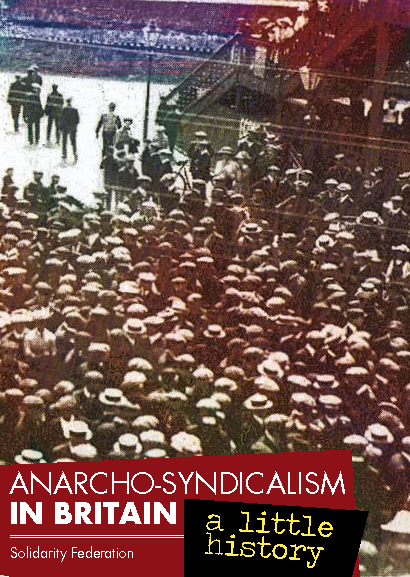 From the first murmurs of 1894, to the Great Unrest of 1911 and the punchy Direct Action Movement of the ’80s and ’90s, this in-brief pamphlet follows the thread of libertarian union organising in Britain.
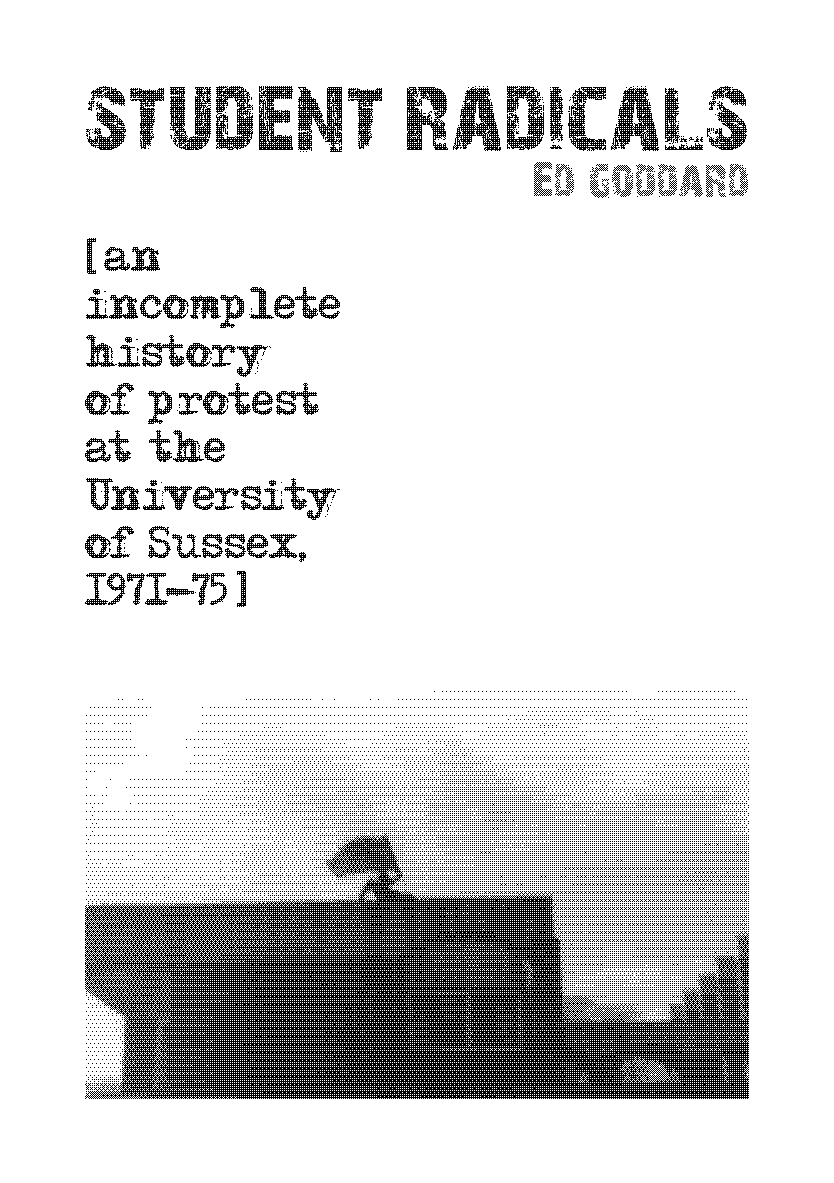 Sussex University has a reputation for radicalism - and it’s a well earned one. In this pamphlet former Sussex student Ed Goddard retrieves some of the lost history of this radical tradition. In one 5 year period from 1971 to 1975, Sussex saw protests, assessment boycotts, and rent strikes, as well as a questioning of the role and purpose of education itself, and what a truly free education - free from the limitations of capitalist society - could look like. Today, with education once more on the front lines, it’s more important than ever to understand our own forgotten history of struggle.
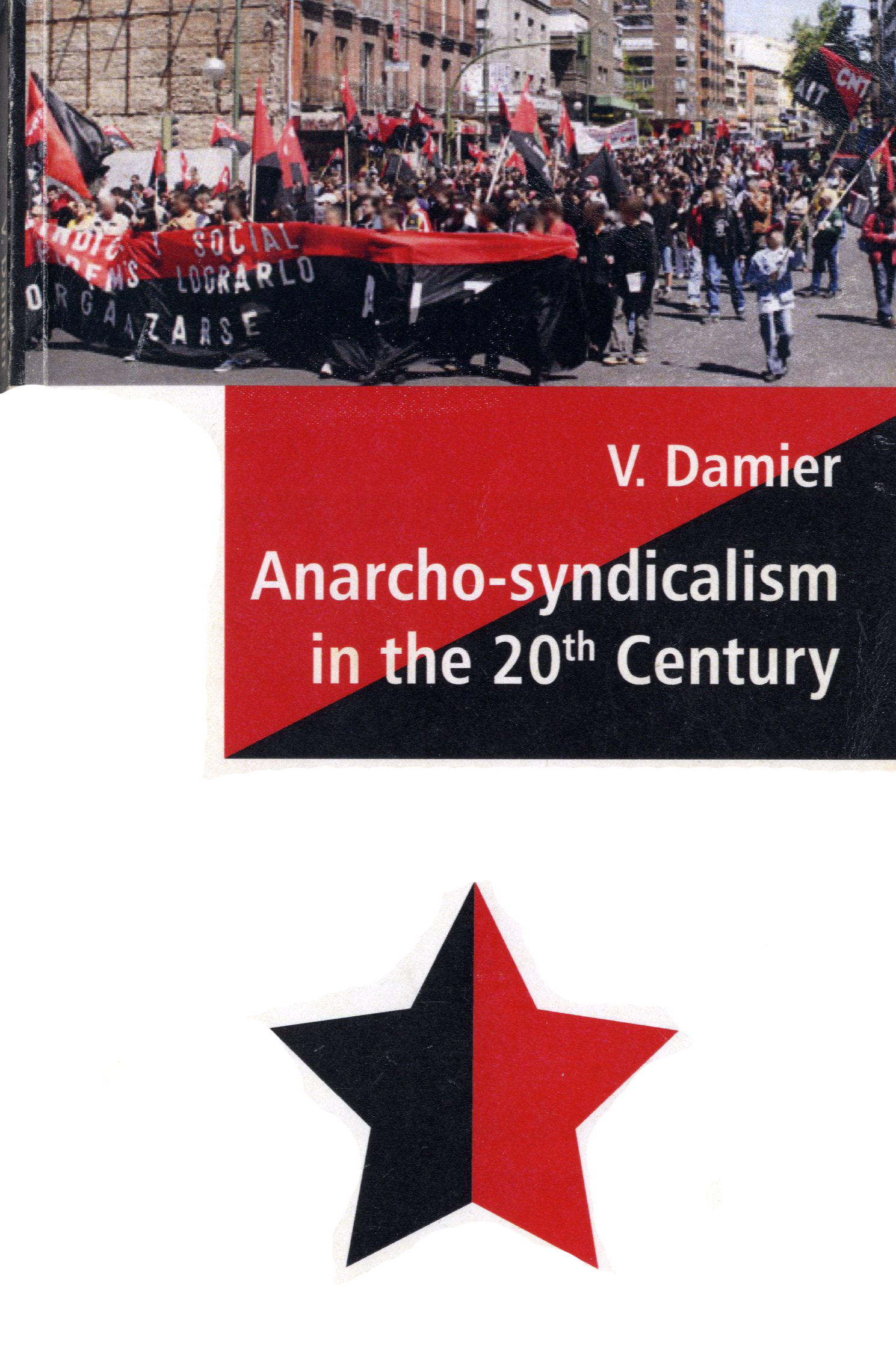 Anarcho-syndicalism, a theory and practice of working class revolution, was developed not by scholars working in libraries but by the workers themselves. The anarcho-syndicalist movement of the 20th century extended to all the industrialized countries of the world and even agricultural regions. This was not a fringe phenomenon but involved millions of workers.
 SelfEd Collective, 24 unit correspondence course, 2001