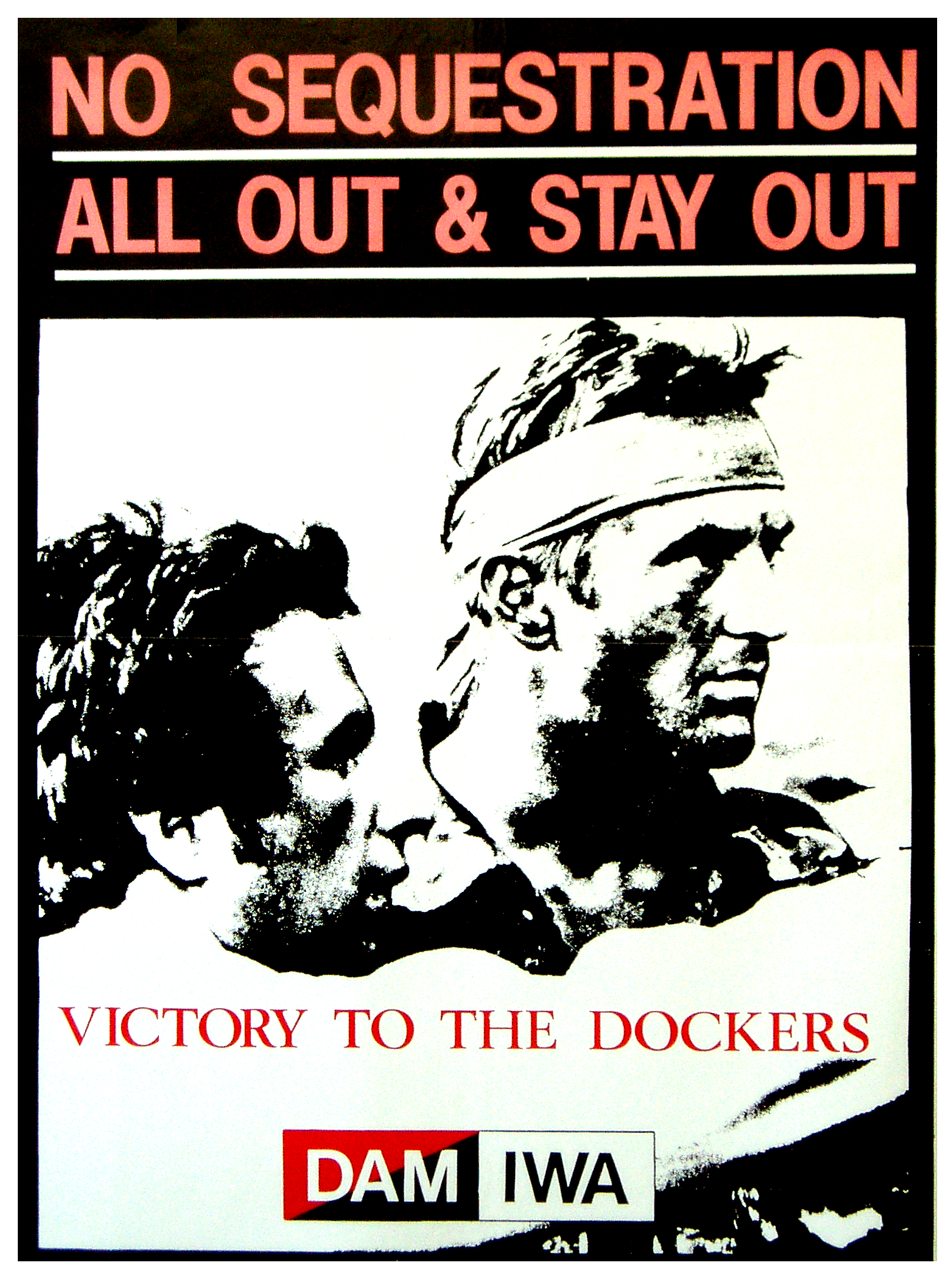
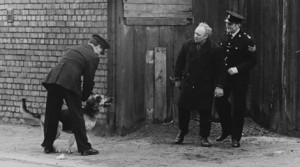
Written by Jim Allen and directed by Ken Loach, The Big Flame was broadcast as the BBC's Wednesday Play in 1969. It documents a fictional unofficial strike on Liverpool's docks in which the workers, frustrated by the uselessness of their union officials, decide to take matters into their own hands (as we in SolFed advocate).
The actor Godfrey Quigley (who also played the prison chaplain in A Clockwork Orange) plays a veteran trade union militant (and a Trotskyist, so we are led to believe) called Jack Regan who advocates a worker-takeover of the docks, which the rank-and-file vote to put into
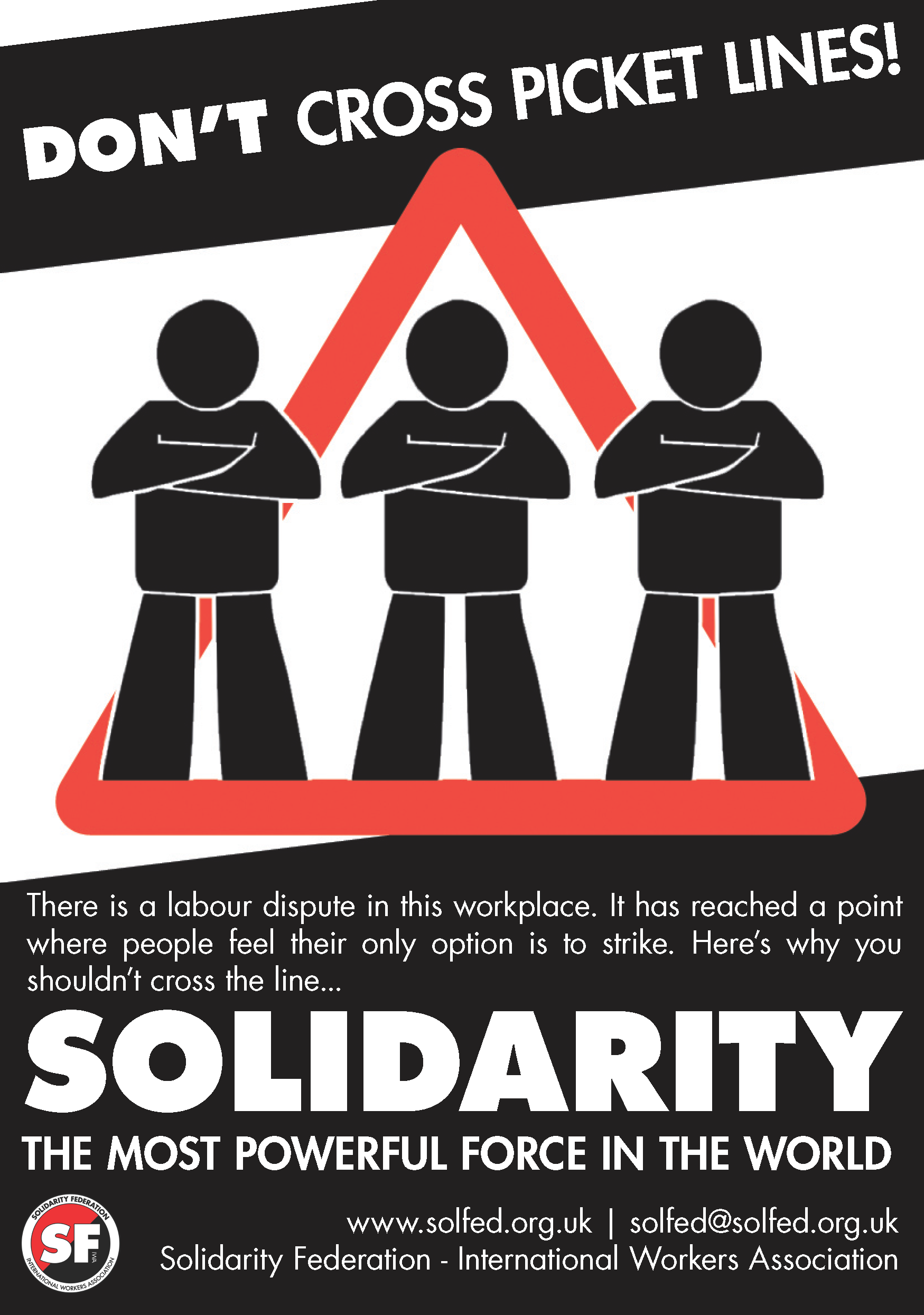
There is a labour dispute in this workplace. It has reached a point where people feel their only option is to strike. Here’s why you shouldn’t cross the line...
SOLIDARITY is the most powerful force in the world
Over one hundred postmen and postwomen at Runcorn Delivery Office decided to celebrate Bastille Day in style and hold a 24-hour unofficial strike against working conditions.
Postal workers have now been promised a five day, forty hour week, but must find it themselves by increasing their workload. Deliveries have been over-loaded at Runcorn for years and repeated requests to management and the union have fallen on deaf ears. Even when proposals were put forward, management refused to implement them.
Eventually, with the introduction of the ‘Fit To Deliver' programme, there was some hope that
Who says the wildcat strike is dead? When British Airways check-in staff promptly walked out in July, after management sought to impose a swipe card-based clocking-on system, they proved the power of the unofficial action.
The workers were, of course, right to be sceptical about the bosses' motives. The new “big brother” system would be used to monitor working hours, so bosses could even start sending people home during quiet periods, without pay. This would particularly affect the mainly women workers' ability to manage family commitments around working hours. Already, many are forced to do
Construction workers at the Lindsey Oil Refinery have defied the anti-union laws and won another wildcat strike against redundancies and victimisation. Following the previous strike in January and February, 1200 workers struck again on 11th June over the announcement of 51 redundancies without consultation, breaching the agreement which had settled it. Another contractor on site had just hired 61 workers, and strikers argued that the work should have been shared out among those made redundant.
Total, which runs the refinery, had 647 workers employed by main contractor Jacobs sacked for taking
 There is a labour dispute in this workplace. It has reached a point where people feel their only option is to strike. Here’s why you shouldn’t cross the line...