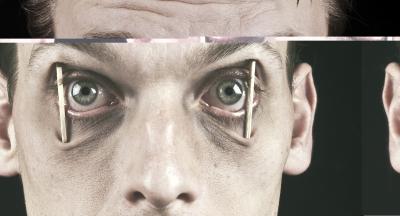
In 2018 Mencap, the learning disability charity with an unappealing name, took the government to court. Mencap wanted to challenge an earlier ruling on whether or not sleep shifts count as work, for the purposes of calculating the national minimum wage. They won their case and now, thanks to them, sleep shifts are no longer legally recognised as work. So if you sleep as part of your job, your boss doesn’t have to pay you for it.
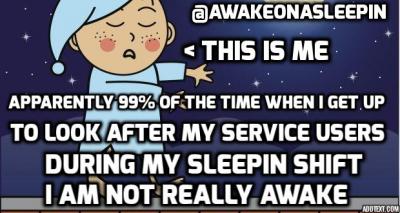
I am lucky; I haven’t worked a sleep shift for years — they do not involve a lot of actual sleep. In my old job in a dementia unit I would work a late shift from 3pm
Care workers employed by care provider Alternative Futures Group (AFG) have recently voted on industrial action in a Unison organised ballot over the long-running, sleep-in dispute. Ballots have now been counted, and 87.4% voted to strike on a 51.5% turnout.
Unison has also recently sent out consultative ballots to members of another large care provider, Lifeways Group. The long running exploitation and financial abuse of workers in the care sector by their employers is finally starting to get attention, and care workers are saying “enough is enough”.
The Bristol Care Workers Network will be organising a protest against Mencap in Bristol at 12:00 on October 27th. Manchester SolFed will be organising a picket in support.
Mencap have gone to court to demand that the government overturns it’s recent ruling on pay for sleeping shifts. Because of Mencap, millions of low-paid workers will now be denied the minimum wage for their sleep shifts.
This has come at a time when non-payment of the minimum wage is at it’s worst ever level. The care sector is already one of the worst affected. Even for workers who are paid legally, studies have shown that
Our NHS is in crisis: doctors' surgeries in Brighton are closing down, A&E waiting times are getting longer, hospitals are shutting up shop - and the sick and old are being left to die on hospital trollies.
The care system is in an even worse state: poor wages and criminal working condition mean there just aren't enough carers.
Here in Brighton most council contracts are privatised, and carers are often employed illegally: paid below the minimum wage, denied paid holidays, being forced to work long and unpredictable hours on zero-hours contracts and left to work without adequate training or
The media has recently been escalating the migrant bashing with the claims that health tourists are plunging the NHS into crisis by not paying their bills.
This distracting technique pulls our gaze away from the more obvious strains the NHS is facing. With flat lining NHS funding (although the government are putting “more” money in this is not inline with increasing inflation and demand), cuts in social care, along with crippling Private Finance Initiatives (PFI) with extortionate interest rates and massive management consultancy fees, there is no wonder health services are finding that there
The following is a personal account of Multiple Chemical Sensitivity by a member of South London Solidarity Federation. The author has made some additional points in response to comments which are included in the addendum below.
MCS is an adverse reaction to airborne chemicals, such as air fresheners, solvents, and scented cleaning products. Symptoms vary from nose and throat irritation, fatigue and headaches to full-blown immune system overload. It can be triggered by a one off or severe exposure to chemicals, pesticides or other toxins and become a long-term susceptibility to the low levels
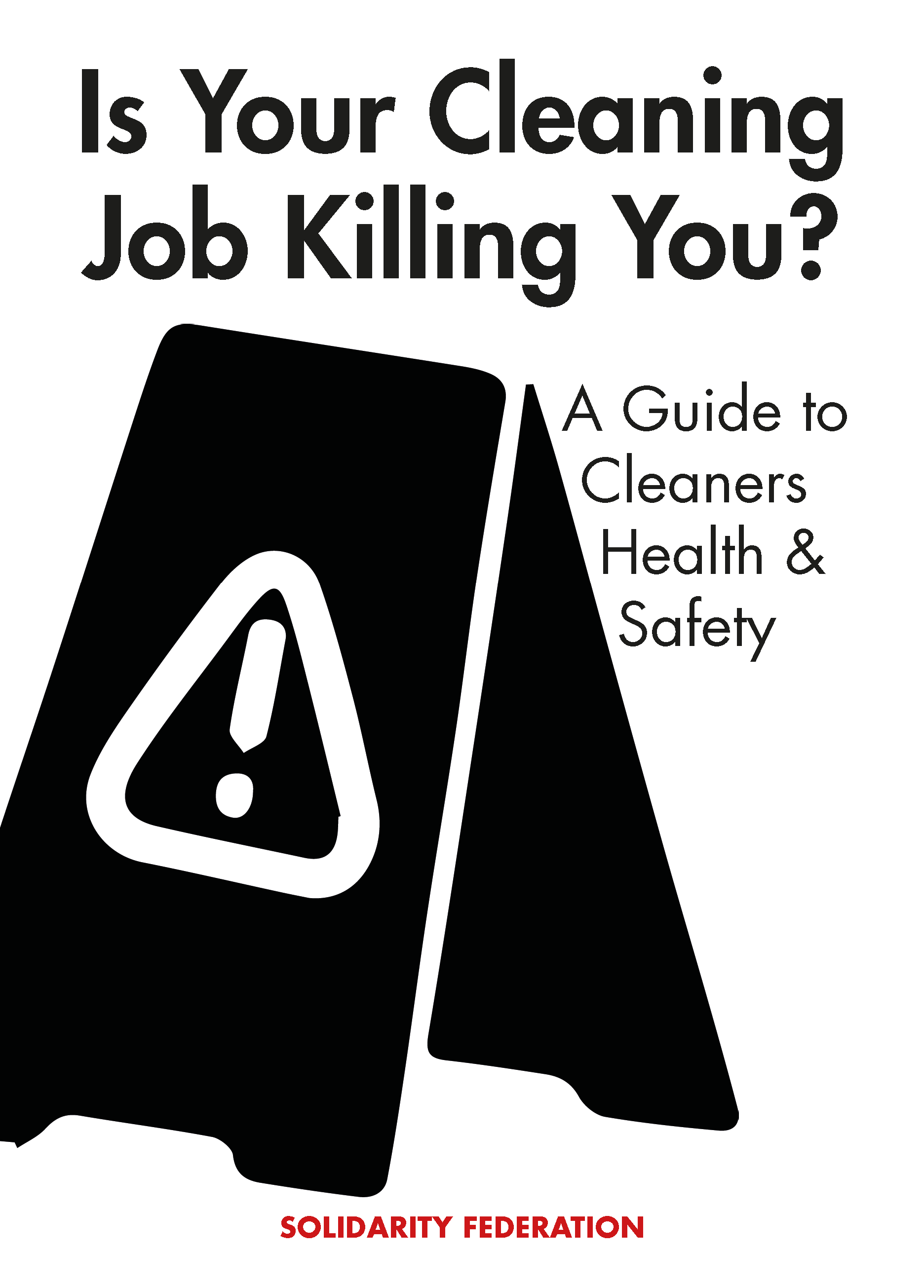
Cleaners have a vital role in society, yet their job is poorly paid and routinely dismissed as a job carried out mainly by women to earn a bit of extra cash. Cleaning is also not generally seen as a particularly physically hard or dangerous job. Most people see cleaning as involving a bit of dusting, mopping and hoovering.
Written by a cleaner, this pamphlet draws on research from across the world to show the reality of cleaning and the impact the job has on the health and wellbeing of cleaners. The pamphlet not only examines the more obvious aspects of the job that affect cleaners’ health, such as the physical demands of the job and the effects of cleaning chemicals, but also takes into account the detrimental impact of factors such as low pay, ever- increasing workloads, low status, sexual harassment and family commitments on the everyday lives of cleaners. In doing so, the pamphlet exposes the true cost being paid by cleaners and their families for job that is central to the wellbeing of society as a whole.
As such, this pamphlet is not only essential reading for cleaners but for all those interested in seeing greater justice for one of the most exploited and marginalised groups of workers.
Introduction
Background to the UK Cleaning Industry
The Real Risks to Cleaners’ Health - Work-Related Stress | Musculoskeletal Disorders | Work-Related Asthma | Skin Diseases | Accidents at Work | Biological Hazards | Heat Stress | Cancer and Risk to the Reproductive System | Sexual Harassment and Assault | Violence and Discrimination | Overall Impact of Cleaning on Health
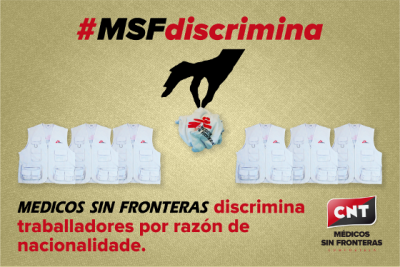
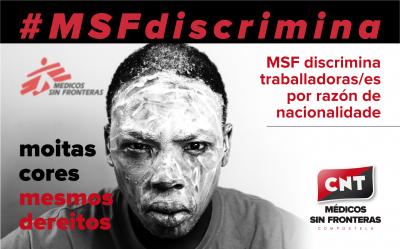
CNT-E has achieved recognition of the discrimination that Doctors Without Borders has committed since 2014 in their recruitment procedure. In that year, workers at the NGO managed to get their temporary contracts -whose use in this case was illegal- changed to permanent contracts. However, MSF did not change the contracts of two migrant workers.
The CNT (an anarcho-syndicalist union in Spain) workplace branch within Doctors Without Borders (MSF) in Spain is fighting against the precariousness of the fundraising staff. MSF has been including harsh clauses in their contracts and also has been discriminating against migrant workers.
The fund-raising staff are subjected to punitive clauses of performance. They ask the workers to achieve an unreasonable amount of new subscriptions. 80% of the staff have to face disciplinary actions monthly for not achieving the target imposed by MSF. Lots of these disciplinary actions have ended in
 Care workers employed by care provider Alternative Futures Group (AFG) have recently voted on industrial action in a Unison organised ballot over the long-running, sleep-in dispute. Ballots have now been counted, and 87.4% voted to strike on a 51.5% turnout.