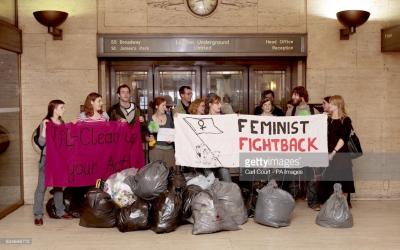

Well, well, well, just when you think society cannot become more debased, news comes along that Laura Johnson has been appointed permanent Director of Development and Property at the Barnet Group, which manages the borough's 13,000 council homes. This is the same Laura Johnson who, as Director of Housing at the Royal Borough of Kensington and Chelsea, played a principal role in the cost-cutting that led to the Grenfell fire.
The Grenfell inquiry found that, in her previous role, Johnson pushed for a new contractor to carry out the tower's renovation works on a lower budget, which ultimately
 The Solidarity Federation workplace organiser training programme is designed to give workers the tools and confidence to organise in their workplaces, whether or not there's an existing union. Even if you've had training from another union, you may find the direct action based approach we adopt offers a fresh perspective.
 Applause is lauded at NHS workers; ideas for re-compensation; a daily service supplement; an increased hourly rate; even a medal for working during the pandemic. Many of us in the NHS work shifts - day and night - throughout the year. It is not just a virus that killing us, our shift work is too. The World Health Organisation declared in 2007 that shift work is probably carcinogenic (Straif et al 2007 [
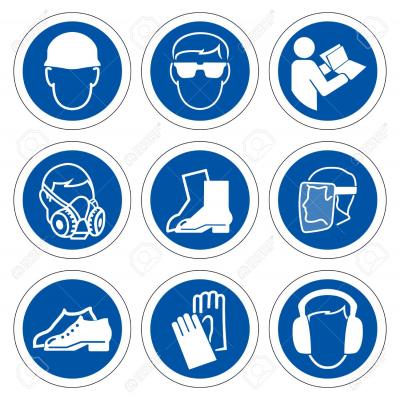 We have received enquires from agency workers asking whose responsibility is it to provide them with Personal Protective Equipment (PPE), is it the employment agency or the end-user? Under the Personal Protective Equipment at Work Regulations 1992, the employment agency is responsible for ensuring any necessary PPE is provided to agency workers.
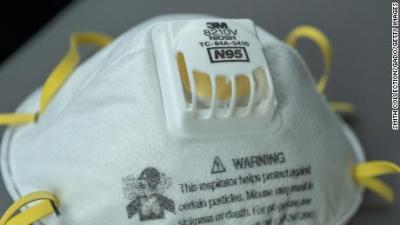 Care workers right now are facing a huge challenge. We were overworked, at risk and underpaid before Covid-19 came along. A lot of us are facing massive upheaval in our work and personal lives. Lockdown is stopping us from seeing our friends, family and colleagues, and the demands nowaced on the NHS, care homes and other workplaces have increased and changed rapidly. So now more than ever we are asking, what can we do?
 Care workers right now are facing a huge challenge. We were overworked, at risk and underpaid before Covid-19 came along. A lot of us are facing massive upheaval in our work and personal lives. Lockdown is stopping us from seeing our friends, family and colleagues, and the demands now placed on the NHS, care homes and other workplaces have increased and changed rapidly. So now more than ever we are asking, what can we do?
 Mask on, seal over the nose to stop glasses misting up so much. Apron on (always easier with gloves on), feels flimsy especially in the wind, doesn’t feel like it will protect much. Visor on or is the patient low risk? How many more times am I going to put this all on?The beginning of shift routine is to check if we have enough Personal Protective Equipment (PPE). This involves checking stores, asking managers, raiding dormant ambulances. As relief staff (not on a fixed shift pattern) you go to different stations. Each station has differing policies; some have personal issue PPE, some are
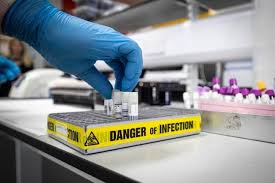 It is clear that the government is trying to protect the UK economy even if this results in more people dying as a result of coronavirus. At the time of writing, whole swathes of the economy are still operating, putting lives at risk. It is now obvious that, in order to stop the spread of the virus, only those sectors of the economy essential to maintaining the health and wellbeing of society should remain open. Yet the government is refusing to shut down large sections of the economy such as online shopping.