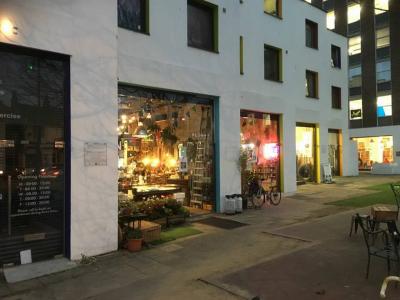
Brighton SolFed is making public a dispute with a cafe who are unwilling to settle outstanding pay of over £4K. The former worker, who stopped work at the establishment in early June has been asking to be paid ever since. As attempts to resolve the issue amicably were ignored or frustrated by Cafe Plenty, Brighton Solfed is now going public to warn potential staff and customers.
After getting nowhere, she approached Brighton Solidarity Federation for support. The business are not disputing they owe the money - in fact they finally paid part of the money owed two weeks ago. However £4,482 is
Liverpool SolFed is organising a campaign against bad working conditions in the hospitality sector. The hospitality industry, which includes workplaces like pubs, restaurants, hotels, canteens, etc. has an important presence in the city and is well known for abuses and exploitation. Our aim is to get willing workers of the sector together to fight back against abuses and for better conditions.
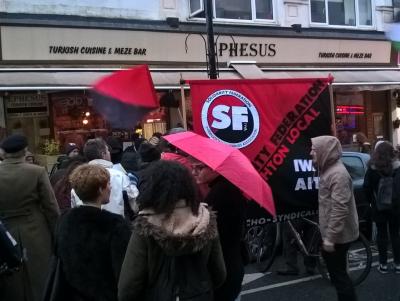
Our dispute with Ephesus has come to an end with a victory; the worker has been paid all that was owed.
Solidarity from many people has been the key to attaining this result.
From the outset the worker, who is also involved in the Spanish Marea Granate movement, wanted to find a way to collectivise the dispute and try to improve the conditions for their fellow workmates even though they were leaving. As the notice period finished, the worker asked for all their holiday pay and if they were going to receive the money owed for minimum wage. All they were offered was a measly £150. Management hoped
This year's May Day was celebrated in Brighton with the coming together of different local unions and groups organising against casualised working conditions and the housing crisis. The demo soon headed for a local restaurant that has been underpaying one of our members, and demanding they be paid. The protest marks the start of a dispute, continuing our efforts over the past few years of trying to bring International Workers Day back to its roots in worker militancy and anarchist labour organising.
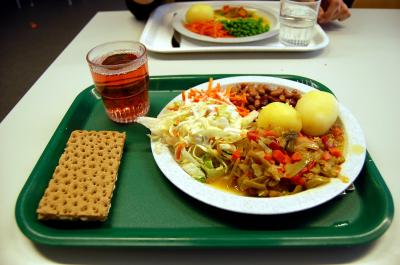
A dinner lady came to Brighton SolFed when there was nowhere left to go. They were facing a disciplinary hearing after being unfairly blamed for an incident, and they additionally were refused mainstream union representation. Brighton Hospitality Workers helped the worker prepare for the disciplinary and accompanied them to this stressful encounter. Solidarity means supporting your fellow workers, solidarity is what makes us strong.
Holiday pay is a common problem faced by workers in the hospitality industry - especially those on zero-hour contracts who are often unaware of of their legal right to holiday pay. Recently we supported a waitress from a cafe in the North Laine who was demanding holiday pay for herself and her workmates - and who managed to get the £600 she was owed.
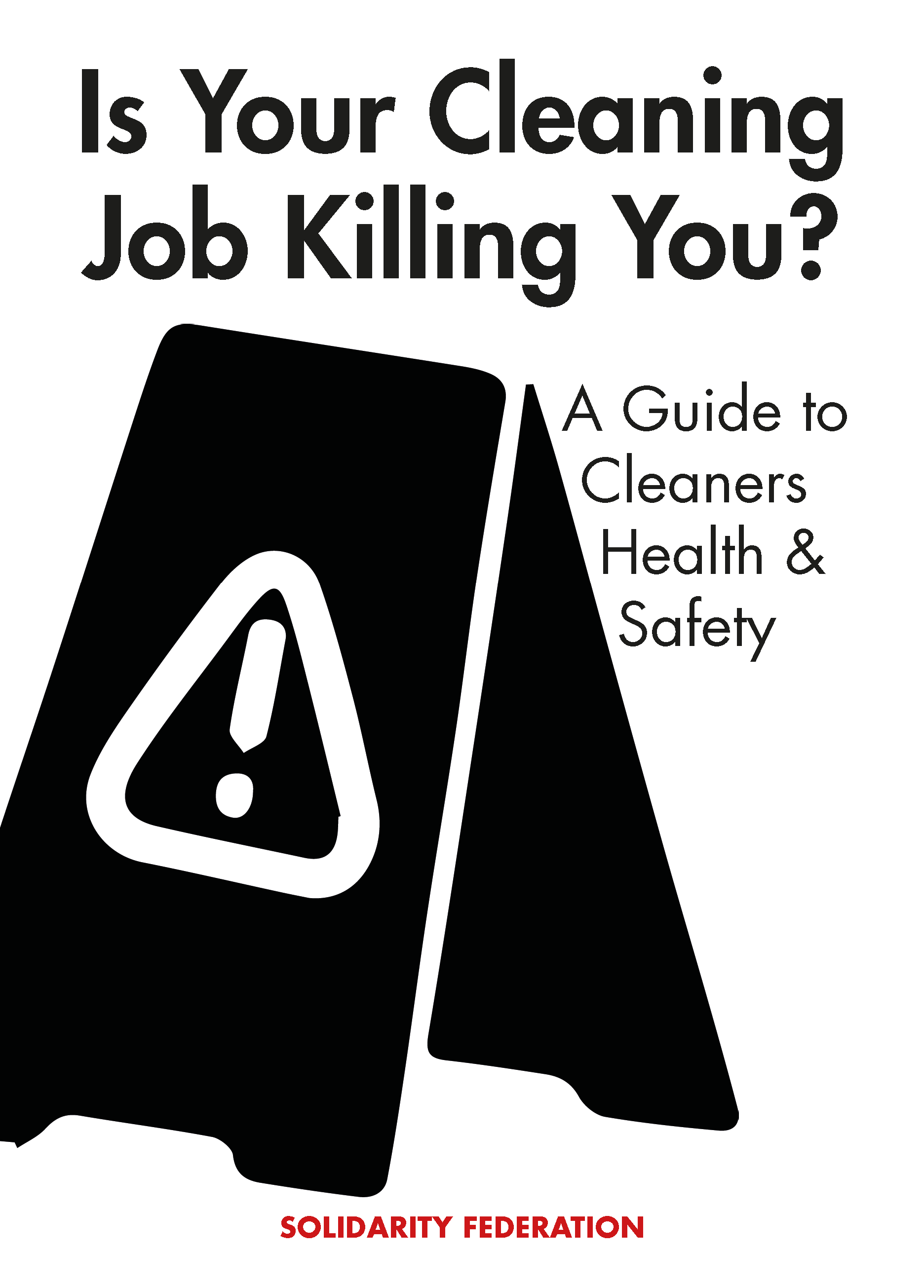
Cleaners have a vital role in society, yet their job is poorly paid and routinely dismissed as a job carried out mainly by women to earn a bit of extra cash. Cleaning is also not generally seen as a particularly physically hard or dangerous job. Most people see cleaning as involving a bit of dusting, mopping and hoovering.
Written by a cleaner, this pamphlet draws on research from across the world to show the reality of cleaning and the impact the job has on the health and wellbeing of cleaners. The pamphlet not only examines the more obvious aspects of the job that affect cleaners’ health, such as the physical demands of the job and the effects of cleaning chemicals, but also takes into account the detrimental impact of factors such as low pay, ever- increasing workloads, low status, sexual harassment and family commitments on the everyday lives of cleaners. In doing so, the pamphlet exposes the true cost being paid by cleaners and their families for job that is central to the wellbeing of society as a whole.
As such, this pamphlet is not only essential reading for cleaners but for all those interested in seeing greater justice for one of the most exploited and marginalised groups of workers.
Introduction
Background to the UK Cleaning Industry
The Real Risks to Cleaners’ Health - Work-Related Stress | Musculoskeletal Disorders | Work-Related Asthma | Skin Diseases | Accidents at Work | Biological Hazards | Heat Stress | Cancer and Risk to the Reproductive System | Sexual Harassment and Assault | Violence and Discrimination | Overall Impact of Cleaning on Health
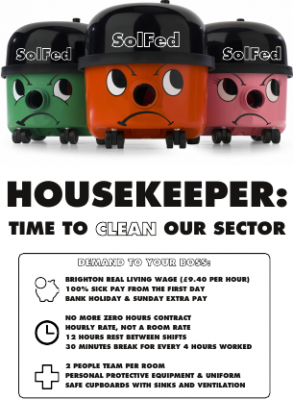
If you regularly follow our activity probably you have realised that the housekeeper campaign is no longer active. This article aims to explain you what we tried to do, what we did and why the campaign is now on hold.
The housekeepers' campaign tried to expose the problems of workers in the tourist industry in Brighton through one of the hardest positions in the sector: those who clean every room in Brighton after a wild party, a family weekend or a romantic night. The idea of the campaign was to generate a discussion around working conditions in hostels, hotels and guest houses.
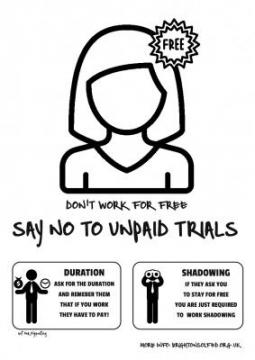
I worked a trial shift at the Ginger Dog pub. I was told that it would last for a 'couple' of hours. After three hours of working, I was told that it was going really well and that I had the job. In my experience, bosses in the hospitality sector will say this just to get people to work longer for free. I was asked to stay on and agreed to work for an extra three hours, meaning that I worked for six hours in total. I decided after this to not take the job and I contacted them the next day to tell them. I also requested payment for the full six hours worked. They did not respond to my email. I
Manchester Solidarity Federation carried out a successful picket outside Laibaz restaurant in Bolton on Saturday 24th September. The picket was part of the campaign Manchester SF is organising against the owner of the restaurant who owes ex-employees thousands of pounds in unpaid wages. The picket was a real success with a number of people who had planned to eat at the restaurant refusing to cross the picket line. Throughout the picket we had people stopping to offer support with several people sharing their experiences of being mistreated at work. We also collected details of one person who

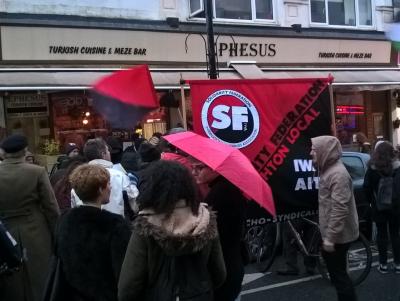 Our dispute with Ephesus has come to an end with a victory; the worker has been paid all that was owed.

 If you regularly follow our activity probably you have realised that the housekeeper campaign is no longer active. This article aims to explain you what we tried to do, what we did and why the campaign is now on hold.
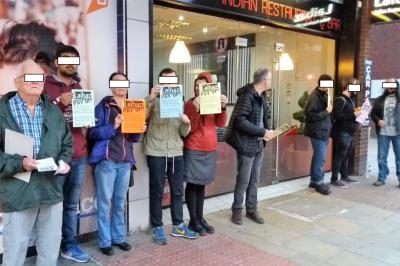 Manchester Solidarity Federation carried out a successful picket outside Laibaz restaurant in Bolton on Saturday 24th September. The picket was part of the campaign Manchester SF is organising against the owner of the restaurant who owes ex-employees thousands of pounds in unpaid wages. The picket was a real success with a number of people who had planned to eat at the restaurant refusing to cross the picket line. Throughout the picket we had people stopping to offer support with several people sharing their experiences of being mistreated at work. We also collected details of one person who