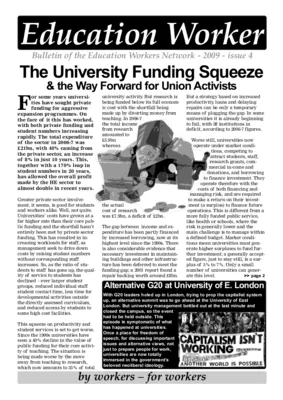
The University Funding Freeze ; Alternative G20 at University of East London ; Roundup ... University and Colleges Roundup ; H.E. Pay: Don't be Fooled ; Break with Partnership
A pamphlet produced in January 2009 by Brighton Solidarity Federation as a clarification of the meaning of anarcho-syndicalism in the 21st century, and as a contribution to the debate over strategy and organisation.
This is a leaflet we produced about the conflict in Gaza, for international solidarity with civilians in the middle-east – against all governments and gangsters.
One thing is absolutely clear about the current situation in Gaza: the Israeli state is committing atrocities which must end immediately. With hundreds dead and thousands wounded, it has become increasingly clear that the aim of the military operation, which has been in the planning stages since the signing of the original ceasefire in June, is to break Hamas completely. The attack follows the crippling blockade throughout the supposed ‘ceasefire’, which has destroyed the livelihoods of Gazans, ruined the civilian infrastructure and created a humanitarian disaster which anyone with an ounce of humanity would seek an end to.
Anarcho-syndicalism, a theory and practice of working class revolution, was developed not by scholars working in libraries but by the workers themselves. The anarcho-syndicalist movement of the 20th century extended to all the industrialized countries of the world and even agricultural regions. This was not a fringe phenomenon but involved millions of workers.
Mainstream labour unions and social-democratic parties have become increasingly powerless to protect the gains of workers. In this situation, anarcho-syndicalism — the revolutionary, non-authoritarian alternative to reformism — is once again on the agenda. This critical study of anarcho-syndicalism in the last century reveals a history of struggle which has often been neglected but holds many valuable lessons for the present.
In the first decade of the 21st century many labour unions and labour federations worldwide celebrated their 100th anniversaries. This was an occasion for reflecting on the past century of working class history. Mainstream labour organizations typically understand their own histories as never-ending struggles for better working conditions and a higher standard of living for their members – as the wresting of piecemeal concessions from capitalists and the State.
Anarcho-syndicalism is a fundamental tendency in the global workers’ movement. It is made up of revolutionary unions of workers (“syndicat” in French means “trade union”), acting to bring about a stateless (anarchist), selfmanaged society.
The prehistory of anarcho-syndicalism has its origin in the anti-authoritarian wing of the First International – the Bakuninists and federalists. The First International was created in 1864 and included adherents of various socialist tendencies.
The challenge to social-democracy in the workers’ movement, and to everything connected with it – parliamentary orientation, reformism, and the dominance of party and union bureaucracies – first appeared in France. It was here the workers began to work out the tactic of revolutionary syndicalism from below. This line was disseminated initially in the bourses de travail. The first of them was created in 1886 in Paris. Originally these places were labour exchanges for the workforce but they soon began to function as workers’ clubs and cultural-educational centres.
The revolutionary syndicalism of the early 20th century was not born in the heads of theoreticians. It was the practice of the workers’ movement which sought its own doctrine [1] – above all, the practice of direct action.
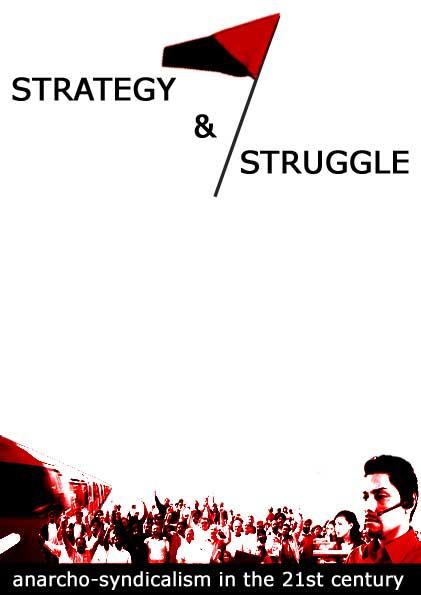 A pamphlet produced in January 2009 by Brighton Solidarity Federation as a clarification of the meaning of anarcho-syndicalism in the 21st century, and as a contribution to the debate over strategy and organisation.
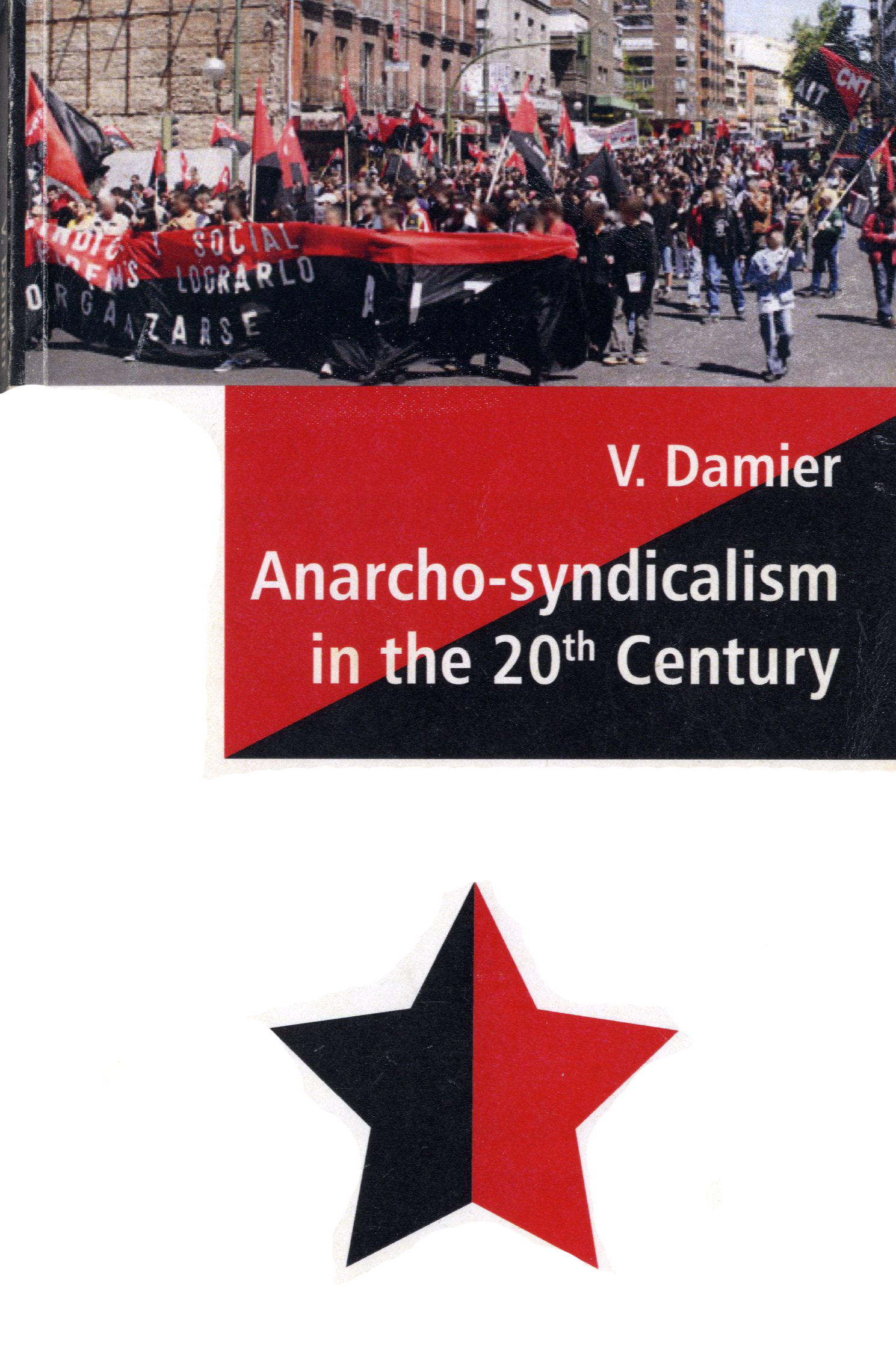 Anarcho-syndicalism, a theory and practice of working class revolution, was developed not by scholars working in libraries but by the workers themselves. The anarcho-syndicalist movement of the 20th century extended to all the industrialized countries of the world and even agricultural regions. This was not a fringe phenomenon but involved millions of workers.